Branding & Strategy
Utilizing our powerful branding techniques to create your brand from the scratch
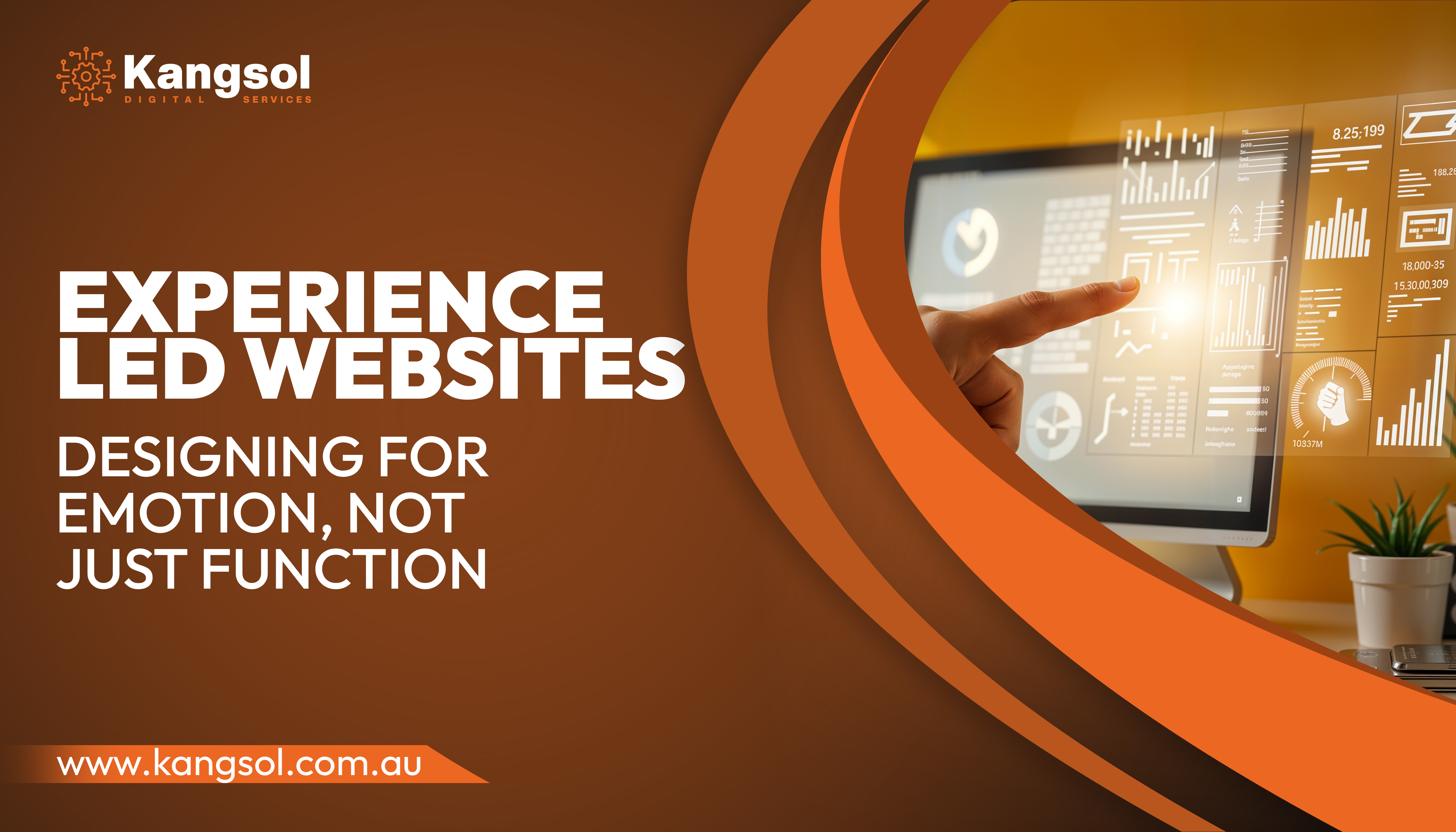
The performance of a website is no longer the only consideration that matters when designing or rebuilding one. Users expect more than fast loading times and clear navigation; they want to feel something. This shift has given rise to experience-led websites, where emotional connection is just as important as functionality. By focusing on emotional design, businesses can transform their website UX into a powerful driver of trust, engagement, and long-term brand loyalty.
Experience-driven sites are designed with the emotions of the user at the focal point. Instead of the question “Does this page work?” being asked, “How does this page affect the user?” Designers look to craft a seamless brand experience that can be experienced on an emotive level. When the visitor feels understood, excited, or safe, they're more likely to stay on the site, look around, and buy something.
Emotional Design, for example, involves the use of visuals, language, layout, and interaction to trigger certain feelings. Colors can be calming or exciting. The font can feel serious or friendly. Little animations can be fun. These things make using a website feel good, not just work right.
For instance, a clean layout with warm colors creates an environment that decreases the user’s level of anxiety, while a systematic navigation system increases the user’s confidence. A person who is relaxed and valued is bound to experience the positive perception of the brand experience right away. It doesn't replace the way the website works; it just enhances it by making you think naturally.
One of the biggest myths is that "emotion-oriented design means compromised usability." In truth, the most successful sites strike an ideal balance between the two. Functional design elements, such as form, navigation, or calls to action, can and should remain easily functional and accessible. It's the approach to their design that differs.
Experience-driven website UX design puts a focus on clarity with the addition of emotional resonance. Straightforward copy that communicates with the needs of the end-user in mind, imagery that represents real people and real stories, and seamless transitions are just a few things that make the overall brand experience more engaging.
In the competitive online arena, very often, a lot of products look the same. The one critical factor that makes your enterprise stand out in the crowd is your brand experience. A website that emotionally connects with your visitors will help them not only recall what’s on offer, but also how they felt in the process.
A good brand experience also leads to an increase in conversions. People are more likely to perform an action like signing up, purchasing a product or service, or getting in touch with a business when they have an emotional tie. This is why there’s a strategy like emotional design that’s becoming increasingly important in the world of website user experience.
Although emotions appear to be intangible, their effect can be measurable. Key performance indicators, including time on page, bounce rate, user flow, and conversion rate, show improvement with the implementation of emotional design. Feedback, engagement, and retention rate demonstrate whether the brand experience has an impact.
Experiences websites are not trends, they are what respond to how humans interact with digital spaces. This is why, through experience design, businesses can connect with their audience on an emotional and practical level, leading to valuable outcomes for their operations and services. At Kangsol Digital Services, a website has to be functional, but it also has to connect, inspire, and leave a lasting mark on its audience. When feelings combine, users will likely believe and return.